skinny jeans dominated for years, but their reign has ended. the utility pant movement represents a fundamental shift in what women expect from trousers: comfort for movement, flattering silhouettes without tightness, and refined details without unnecessary ornamentation.
what a utility pant actually is
utility pants draw on military and workwear traditions: relaxed fits, functional pockets, durable materials, and movement-first design. today's version is usually cotton with an elasticated waistband, a drawstring, and adjustable ankle ties that let you switch between a relaxed and a cinched leg. these are cleaner than cargo pants: the military feeling shows up in structure and hardware rather than excessive pockets or prints.
why relaxed fit is winning
tight pants look polished when you're standing still. relaxed ones flatter when you're actually moving: walking, sitting, getting in and out of a car. beyond comfort, it's the styling range that drives it: the same pant goes from beach to restaurant to a flight. cinch the ankles with a heel for evening; wear them loose with sandals for the beach.
what separates a good utility pant from a bad one
fabric weight decides everything. mid-weight cotton balances summer breathability with shape retention. quality hardware, drawstring aglets, zippers, button pockets, separates a considered design from a fast-fashion one. and a genuinely relaxed fit, not an oversized slim cut, with adjustable ankle ties for that essential two-silhouette versatility.
how to wear it
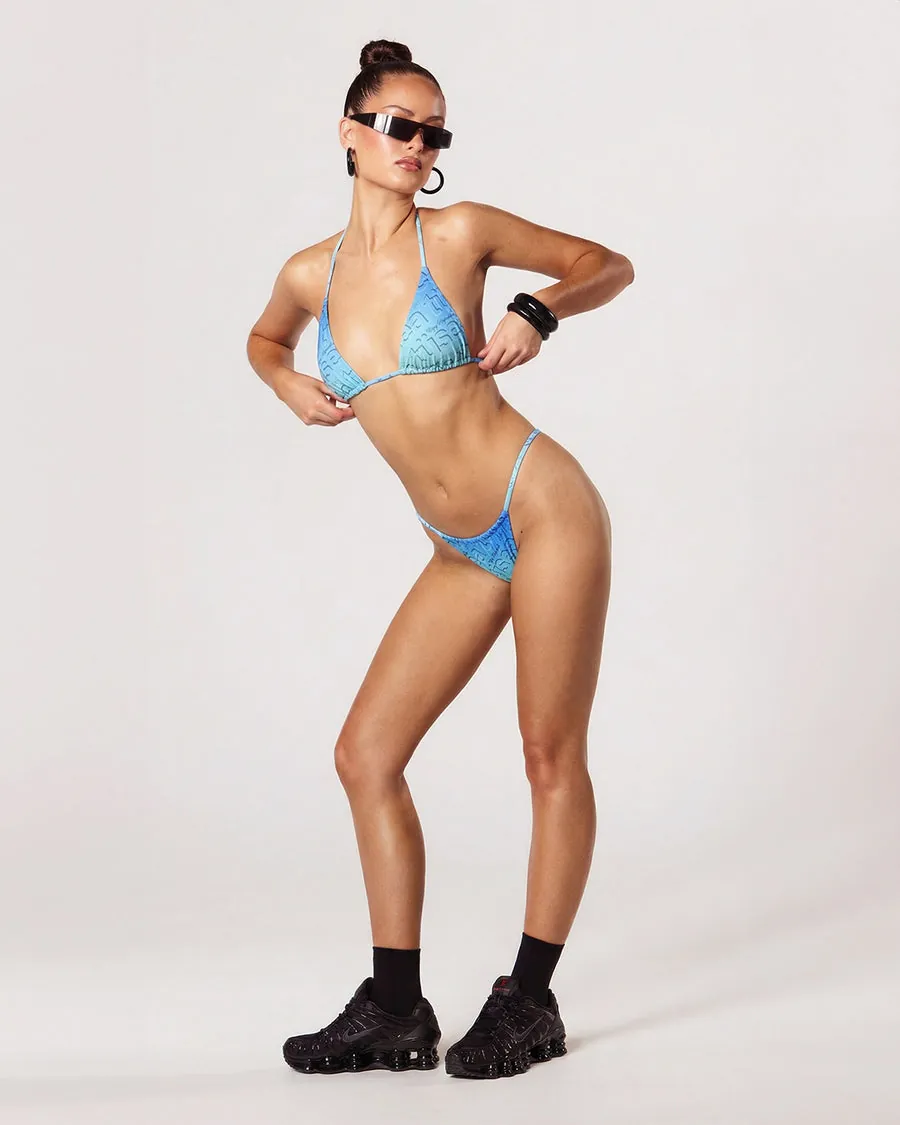
pair utility pants with a bikini top for the beach, layer them under a hoodie for a run, or dress them up with a structured top and a heel for evening. black does the most work, though pink, white, and yellow coordinate beautifully with a swim set.
where this goes
this is a design correction, not a passing trend. women wanted functional, versatile pants that work across body types. it's a lasting shift toward better design rather than another seasonal cycle.
enjoy responsibly.